
Football in Malaysia carries a heritage spanning over a century, shaped by colonial influence, extraordinary talent, and memorable triumphs. The national team, known affectionately as the Malayan Tigers, has produced world-record holders and continental champions despite challenges that tested the sport’s integrity. From British origins in 1921 to the historic ASEAN Championship trophy in 2010, Malaysian Football reflects the nation’s passion, resilience, and evolving identity. This comprehensive guide explores the milestones, legends, and transformations that define football culture in Malaysia, offering fans and newcomers alike a detailed journey through the beautiful game’s local legacy.
Understanding Malaysian Football requires examining its golden decades, iconic players who achieved global recognition, and the modern era’s strategic shifts including player naturalization. The sport has weathered reputation crises, celebrated Olympic breakthroughs, and witnessed the dominance of club powerhouses like Johor Darul Ta’zim. Each chapter reveals how football became intertwined with Malaysian national pride and cultural expression.
The Origins of Football in Malaysia: British Heritage of 1921
Football arrived in Malaya during British colonial administration, with the first organized matches recorded in 1921. Colonial officers and expatriates introduced the sport through clubs and plantation teams, establishing rules and competition formats modeled on English football. Locals quickly embraced the game, forming community teams that competed in regional tournaments organized by district administrators.
By 1926, the Malayan Football Association was established to govern competitive football across the peninsula. Early competitions included the Malaya Cup, which later evolved into the Malaysia Cup, Southeast Asia’s oldest football tournament. British influence extended beyond rules—playing styles, coaching methods, and even team colors reflected English football traditions that persist in Malaysian Football today.
The colonial period laid infrastructure that would support football’s growth post-independence. Stadiums built in major cities like Kuala Lumpur, Penang, and Ipoh became cultural landmarks. Local talent began emerging in the 1930s and 1940s, setting the foundation for the national team that would represent Malaya (later Malaysia) on international stages after independence in 1957.
“Malayan Tigers”: Origin of the Name and National Team Symbolism
The Malaysian national football team earned its nickname “Malayan Tigers” during the late 1960s, reflecting the country’s fierce playing style and the Malayan tiger’s symbolic importance. The tiger represents courage, strength, and national pride in Malaysian culture, qualities the football team embodied during its most competitive years. Early commentators noted the team’s aggressive attacking approach and relentless defensive pressure, characteristics that justified the fearsome moniker.

Official adoption of the tiger imagery occurred in the 1970s when the Football Association of Malaysia integrated the animal into team branding and promotional materials.
The name gained international recognition during Asian Cup campaigns and Olympic qualifiers, where Malaysian Football teams demonstrated technical skill combined with physical determination. Opposing teams came to respect the Tigers’ reputation for never surrendering, even when facing stronger opponents.
This symbolism remains central to Malaysian Football identity. Modern team kits incorporate tiger stripe patterns, and the emblem appears on official merchandise. The nickname connects contemporary players to historical legends, reminding them of standards set by predecessors who made the Malayan Tigers a respected name across Asia.
The Golden Era of Malaysian Football (1970s–1980s)
Malaysian Football reached its zenith during the 1970s and 1980s, a period when the national team competed at the highest Asian levels and challenged established football nations. The golden era produced unprecedented success, including Olympic appearances, regional dominance, and world-record achievements that remain unmatched. This two-decade span saw Malaysian players gain international transfers and recognition, elevating the sport’s profile domestically.
The national team consistently qualified for Asian Cup finals and dominated Southeast Asian competitions. Tactical innovations introduced by foreign coaches combined with homegrown talent created a formidable squad. Malaysian Football’s playing philosophy emphasized wing play, quick transitions, and technical ability that confounded opponents unprepared for the Tigers’ speed and creativity.
Domestic league attendance surged during this era, with matches drawing crowds exceeding 40,000 spectators. State rivalries intensified as regional pride intertwined with football performance. The Malaysia Cup became the nation’s premier sporting event, with finals broadcast nationally and followed by millions. This golden age established football as Malaysia’s most popular sport, a status it maintains despite recent competitive challenges.
Olympic Breakthrough: Performances and Qualification in 1972 and 1980
Malaysia qualified for the Olympic football tournament in Munich 1972, marking the nation’s first appearance at the Games in this sport. The team navigated challenging qualification rounds, defeating established Asian opponents to secure their place. At Munich, Malaysian Football faced European and South American powers, gaining invaluable experience despite group-stage elimination. The qualification itself represented a historic achievement that inspired a generation of young players.
The 1980 Moscow Olympics saw Malaysia return to the world stage, again qualifying through rigorous Asian preliminaries. The squad included several players who would become national legends, their Olympic experience shaping careers that defined Malaysian Football for years afterward. Although results didn’t match ambitions, the exposure to international playing standards accelerated tactical development within the national program.
| Olympic Year | Host City | Matches Played | Malaysian Football Achievement |
|---|---|---|---|
| 1972 | Munich, Germany | 3 | First Olympic qualification, group stage |
| 1980 | Moscow, USSR | 3 | Second Olympic appearance, expanded experience |
These Olympic campaigns demonstrated Malaysia’s football capabilities to a global audience. Players returned home as celebrities, their performances analyzed in national media. The Football Association of Malaysia leveraged this success to expand youth development programs, building infrastructure that would support future talent pipelines.
Mokhtar Dahari: Malaysian Football Legend and Global Recognition
Mokhtar Dahari remains the most celebrated figure in Malaysian Football history, a striker whose goal-scoring prowess earned international acclaim during the 1970s and early 1980s. Born in 1953, Mokhtar demonstrated exceptional talent from youth, joining Selangor FA at age 19 and immediately dominating domestic competitions. His career spanned 15 years with the national team, during which he scored 89 goals in 142 appearances—a record that stood for decades.
Mokhtar’s playing style combined speed, technical skill, and clinical finishing. He attracted attention from European scouts, with reported interest from clubs in the Netherlands and Belgium. While he never transferred abroad, his performances against international opposition showcased Malaysian Football talent to wider audiences. Mokhtar starred in Malaysia’s Olympic campaigns and was instrumental in Southeast Asian championship victories.
Beyond statistics, Mokhtar elevated Malaysian Football’s profile through sportsmanship and professionalism. He captained the national team during its golden era, leading by example both on and off the pitch. His death in 1991 at age 37 prompted national mourning, and Malaysia’s national stadium was later renamed Mokhtar National Stadium in his honor. Contemporary players cite him as inspiration, and his legacy remains integral to Malaysian football culture.
World Record Holder Soh Chin Aun for Most Matches
Soh Chin Aun holds the world record for most international appearances, having represented Malaysian Football in 219 matches between 1969 and 1984. This extraordinary achievement placed him in the Guinness Book of World Records, a distinction that brought global recognition to Malaysian football. Soh’s longevity and consistency at the highest level demonstrated the quality of Malaysian player development during the golden era.
A central defender known for leadership and tactical intelligence, Soh captained Malaysia for much of his career. He played alongside Mokhtar Dahari, forming the defensive backbone that supported the team’s attacking brilliance. Soh’s record stood unchallenged for years, only surpassed decades later as international football calendars expanded. His achievement remains a point of pride in Malaysian Football history.
Soh’s career coincided with Malaysia’s most successful period, participating in both Olympic campaigns and numerous regional triumphs. After retirement, he contributed to coaching and administrative roles, passing knowledge to subsequent generations. His record exemplifies the dedication and quality that characterized Malaysian Football during its peak years, setting standards that modern players strive to match.
A Blow to Reputation: Match-Fixing of the 1990s
Malaysian Football suffered severe reputational damage during the 1990s when widespread match-fixing scandals emerged. Investigations revealed that organized syndicates had corrupted players, referees, and officials across multiple leagues. The Malaysia Cup and domestic competitions were compromised, with predetermined results undermining competitive integrity. Public trust collapsed as evidence mounted of systematic manipulation spanning several seasons.
Authorities responded with lifetime bans for implicated individuals and stricter regulations to prevent future corruption. The Football Association of Malaysia implemented monitoring systems and increased penalties for match manipulation. However, the scandal’s impact lingered—attendance declined, sponsorship dried up, and the national team’s competitiveness suffered as talent development was neglected during the crisis years.
Recovery required comprehensive reforms including transparent governance, anti-corruption education, and rebuilding grassroots programs. Malaysian Football spent years restoring credibility, a process complicated by declining performance at regional tournaments. The 1990s scandal remains a cautionary tale within Asian football, demonstrating how corruption can devastate a sport’s foundation and necessitating constant vigilance to protect competitive integrity.
Historic 2010 ASEAN Championship Trophy
Malaysia captured the 2010 AFF Championship (formerly known as the ASEAN Football Championship), ending a 14-year trophy drought and signaling Malaysian Football’s resurgence. The tournament victory, achieved against regional rivals including defending champions Vietnam and powerhouse Indonesia, sparked nationwide celebrations. Malaysia defeated Indonesia 4-2 on aggregate in the final, with the home leg at Bukit Jalil Stadium drawing over 87,000 spectators—a record attendance for Malaysian football.
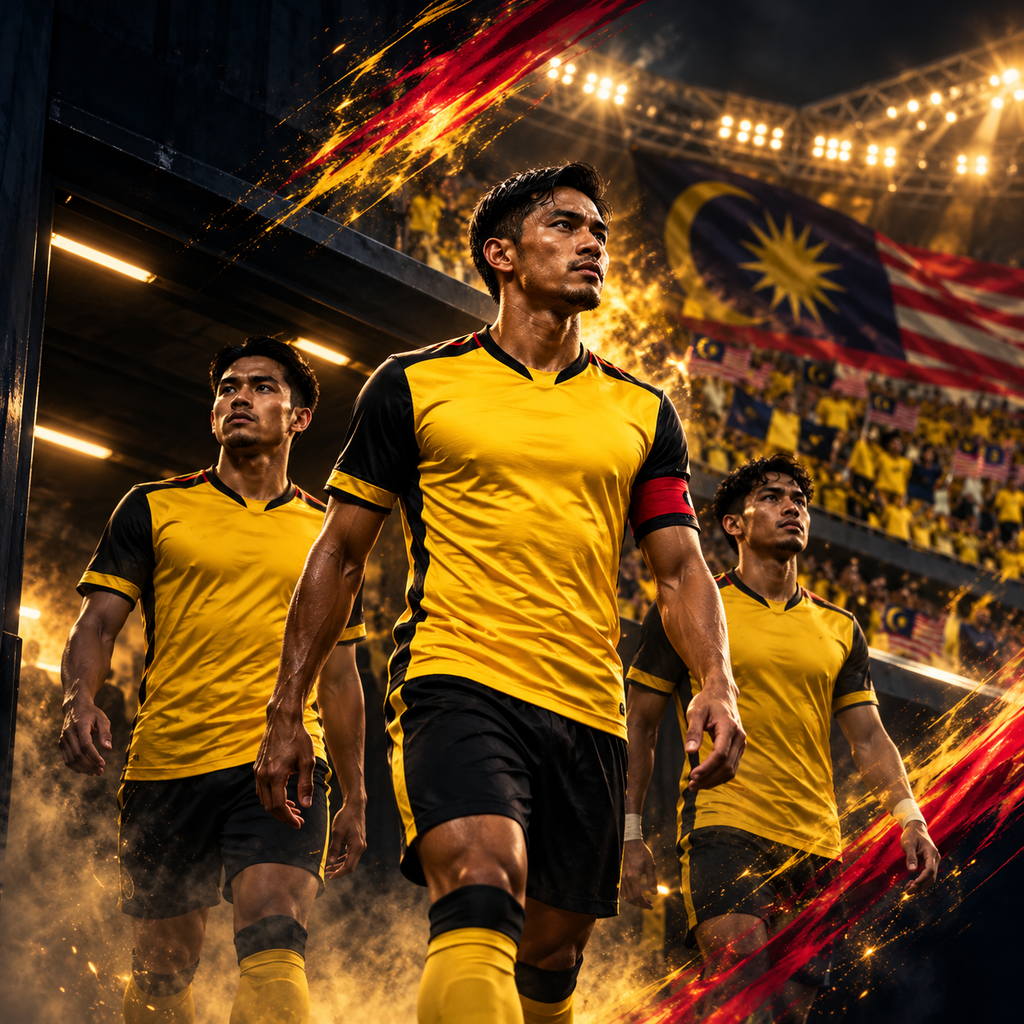
The championship run demonstrated tactical discipline and squad depth under coach K. Rajagopal. Key players like Safee Sali, who won the tournament’s Golden Boot, and goalkeeper Khairul Fahmi became national heroes. The victory validated reforms implemented after the 1990s crisis, showing that investment in youth development and professional standards could restore Malaysian Football competitiveness.
- Final aggregate score: Malaysia 4-2 Indonesia (3-0 home, 1-2 away)
- Record attendance: 87,411 at Bukit Jalil National Stadium, first leg
- Golden Boot winner: Safee Sali (Malaysia) with 8 goals
- Unbeaten run: 5 matches without defeat during tournament
- Regional dominance: First ASEAN title since 1996, ending Vietnam-Thailand duopoly
The 2010 triumph reinvigorated Malaysian football culture. Merchandise sales surged, youth participation increased, and corporate sponsors returned to the sport. The championship demonstrated that Malaysian Football could compete at Southeast Asia’s highest level when properly organized and supported, providing a blueprint for sustained success.
The Modern Era: Player Naturalization and the Dominance of Johor Club
Contemporary Malaysian Football has embraced player naturalization to strengthen national team competitiveness. Since the mid-2010s, Malaysia has granted citizenship to foreign-born players who meet residency requirements, integrating them into the national squad. This strategy addressed talent gaps in specific positions while adding international experience to the team. Naturalized players from Brazil, West Africa, and Europe have represented Malaysia in World Cup qualifiers and regional tournaments.
The naturalization policy remains controversial among fans who prioritize homegrown talent development. Critics argue resources should focus on youth academies rather than importing players. Supporters counter that strategic naturalization accelerates competitiveness while domestic programs mature. The Football Association of Malaysia balances both approaches, maintaining naturalization limits while expanding grassroots infrastructure.
Johor Darul Ta’zim FC (JDT) has dominated Malaysian club football since 2013, winning nine consecutive league titles through 2024. Owned by the Johor royal family, JDT invests heavily in foreign players, coaching staff, and training facilities that exceed regional standards. The club competes in the AFC Champions League, representing Malaysian Football at Asia’s highest club level. JDT’s success has raised domestic competition quality, though critics note the resource disparity with other Malaysian clubs creates competitive imbalance.
Modern Malaysian Football faces challenges including inconsistent national team results, aging infrastructure at some venues, and competition from European leagues for fan attention. However, initiatives like the Malaysian Football League’s professionalization, improved broadcast coverage, and youth talent identification programs show promise. The sport retains deep cultural significance, with passionate fan bases supporting both club and national teams as Malaysian Football navigates its contemporary evolution.
FAQ
When was football first introduced to Malaysia?
Football arrived in Malaysia in 1921 during British colonial administration. Colonial officers and expatriates organized the first formal matches and established the Malayan Football Association by 1926, introducing competition formats that evolved into modern Malaysian Football tournaments like the Malaysia Cup, Southeast Asia’s oldest football competition.
Why is the Malaysian national team called the Malayan Tigers?
The nickname originated in the late 1960s, reflecting the team’s aggressive playing style and the Malayan tiger’s cultural symbolism of courage and strength. The Football Association of Malaysia officially adopted tiger imagery in the 1970s, and the name became internationally recognized during Malaysian Football’s golden era when the team competed at Olympic Games and Asian Cup tournaments.
Who is considered the greatest Malaysian footballer ever?
Mokhtar Dahari holds this distinction, having scored 89 goals in 142 international appearances between 1968 and 1983. His goal-scoring records, Olympic participation, and leadership during Malaysian Football’s golden era earned him legendary status. The national stadium was renamed in his honor, and contemporary players continue to cite him as inspiration.
What was Malaysia’s biggest football achievement?
The 2010 AFF Championship victory stands as modern Malaysian Football’s greatest triumph, ending a 14-year trophy drought. Malaysia defeated Indonesia 4-2 on aggregate before a record 87,411 home crowd. Historically, Olympic qualifications in 1972 and 1980 also represent major achievements when Malaysian Football competed at global tournaments.
How many times has Malaysia won the ASEAN Championship?
Malaysia has won the tournament once in 2010, though the national team reached finals on multiple occasions. The victory broke Southeast Asian dominance by Thailand, Vietnam, and Singapore, demonstrating Malaysian Football’s resurgence after the difficult 1990s period marked by match-fixing scandals and competitive decline.
What is Johor Darul Ta’zim’s role in Malaysian football?
JDT has dominated the Malaysian Super League since 2013 with nine consecutive titles, setting new standards for club professionalism. The royal-backed club invests heavily in foreign talent and infrastructure, representing Malaysian Football in the AFC Champions League and raising domestic competition quality, though creating significant resource disparities with other clubs.
Does Malaysian Football still face match-fixing issues?
The widespread corruption of the 1990s has been addressed through stricter regulations, monitoring systems, and severe penalties including lifetime bans. Modern Malaysian Football maintains anti-corruption protocols and works with international organizations to protect match integrity, though vigilance remains necessary to prevent future incidents as seen across global football.
Responsible Gaming Notice: Football fandom and any related activities should remain entertainment. Always follow local regulations, never wager more than you can afford to lose, and seek support if needed. Malaysian Football content is intended for audiences 18+ in accordance with national guidelines.